
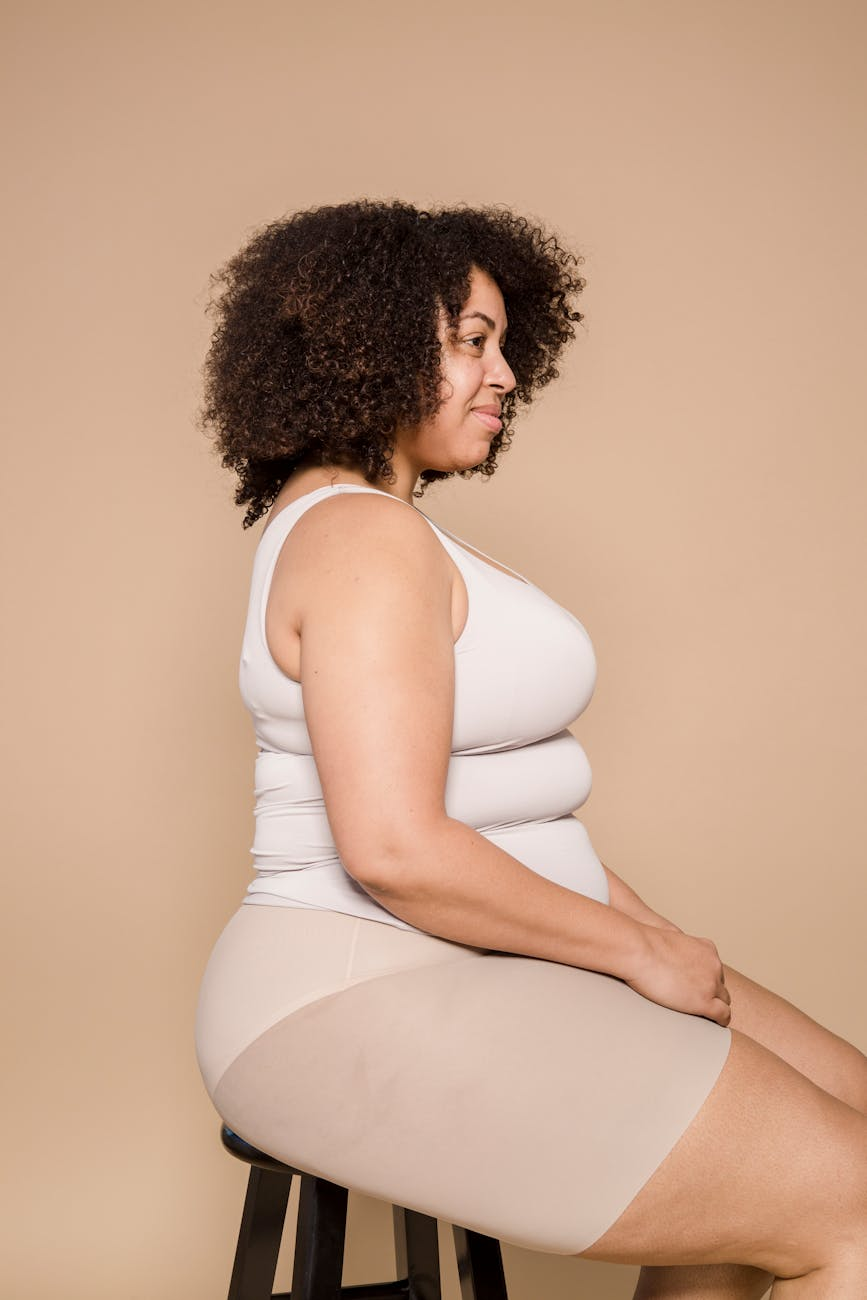
If you want to understand a culture, look at how it eats. Or, more accurately, how it tries not to. Dieting has always been a mirror — reflecting our fears, our fantasies, our insecurities, and our aspirations. And right now, as weight‑loss injections sweep through celebrity circles, office kitchens, and group chats with the force of a cultural earthquake, we’re living through one of the most dramatic shifts in body politics since the invention of the calorie.
But this moment didn’t appear out of nowhere. It’s the latest chapter in a long, messy, often bizarre history of humans trying to shrink themselves. A history that spans ancient religious rituals, Victorian pamphlets, Hollywood glamour, cabbage soup, low‑carb mania, and now, tiny needles promising to quiet the appetite itself.
The story of dieting is the story of us — our bodies, our desires, our anxieties, and the ever‑shifting definition of what it means to be “healthy.” And if we’re going to make sense of the injection era, we need to understand how we got here.
THE FIRST DIETERS: WHEN RESTRICTION WAS A SPIRITUAL FLEX
Long before calorie counts were printed on menus, humans were already experimenting with food restriction. But the earliest dieters weren’t trying to fit into a smaller dress; they were trying to get closer to the divine.
Ancient Greek philosophers preached moderation as a virtue, believing that controlling the body was a way to elevate the mind. Religious fasting across Christianity, Judaism, Islam, Buddhism, and Hinduism framed abstinence as a path to purity or enlightenment. Even the Romans, famous for their indulgent feasts, occasionally dabbled in proto‑dieting to counteract the excess.
These early practices weren’t about aesthetics. They were about discipline, morality, and transcendence. Food wasn’t just fuel — it was a test.
But as societies evolved, so did the meaning of the body. And eventually, the focus shifted from the soul to the silhouette.
THE VICTORIANS INVENT THE DIET INDUSTRY — AND THE BODY BECOMES A PROJECT
If dieting had a birthday, it would be 1863. That’s when William Banting, an English undertaker, published Letter on Corpulence, a pamphlet detailing how he lost weight by avoiding bread, sugar, beer, and potatoes. It was the 19th‑century equivalent of going viral. People were “Banting” across Europe, and for the first time, dieting became a cultural trend rather than a medical prescription.
The Industrial Revolution was reshaping everything — work, food, cities, and bodies. As labour moved from fields to factories and offices, people became more sedentary. Food became cheaper and more abundant. For the first time in history, being overweight was associated not with wealth, but with modernity. Thinness became a symbol of discipline, self‑control, and moral virtue.
The body was no longer just a vessel. It was a project. And the project was to make it smaller.
THE 20TH CENTURY: CALORIES, HOLLYWOOD, AND THE RISE OF THE SLIM IDEAL
By the 1920s, dieting had gone mainstream. Scientists had discovered how to measure the energy in food, and suddenly calories became the enemy. Hollywood, with its glamorous starlets and camera‑ready silhouettes, cemented the idea that thinness was synonymous with beauty, youth, and success.
The messaging was relentless. Cigarette companies marketed smoking as a weight‑loss tool. Magazines published “reducing plans” that would make today’s wellness influencers blush. Women were told that their value — their desirability, their femininity, their social currency — depended on their ability to take up less space.
Dieting wasn’t just something you did. It was something you were.
THE FAD DIET ERA: CABBAGE, GRAPEFRUIT, AND THE PROMISE OF RAPID TRANSFORMATION
From the 1950s through the 1980s, dieting became a national pastime. The post‑war boom brought convenience foods, processed snacks, and a new wave of anxiety about weight. Enter the era of the fad diet — a kaleidoscope of quick fixes, miracle foods, and extreme restrictions.
The Grapefruit Diet. The Cabbage Soup Diet. The Scarsdale Diet. The Beverly Hills Diet. Each promised rapid results, usually through some combination of monotony, deprivation, and pseudoscience. Weight‑loss clubs like Weight Watchers turned dieting into a social ritual. SlimFast offered a shake for breakfast, a shake for lunch, and the fantasy of control.
By the 1980s, low‑fat mania took over. Supermarkets filled with fat‑free cookies, fat‑free yoghurts, fat‑free everything — often loaded with sugar. The message was clear: fat was the enemy, and thinness was the goal.
But beneath the surface, something else was happening. Dieting was becoming a moral performance. A way to signal discipline, virtue, and worthiness. A way to belong.
THE 1990s AND 2000s: CARBS ARE CANCELLED, PROTEIN IS KING, AND “WELLNESS” TAKES OVER
Then came the backlash. The Atkins Diet exploded in popularity, declaring war on carbohydrates and elevating protein to near‑religious status. Suddenly bread was the villain, pasta was poison, and steak was salvation.
The pendulum swung again in the 2010s, when dieting rebranded itself as “wellness.” Clean eating. Detoxing. Lifestyle changes. It sounded softer, more holistic, more enlightened. But often, it was the same restrictive mindset wrapped in prettier language.
The rules were still there — just hidden under a layer of green juice and Instagram filters.
THE INJECTION ERA: WHEN SCIENCE ENTERS THE CHAT
And now, here we are. The age of weight‑loss injections. Medications originally developed for diabetes have become cultural phenomena, reshaping not only bodies but the entire conversation around appetite, health, and identity.
For many people, these medications quiet the constant hum of cravings. They slow digestion. They make smaller portions feel satisfying. They’ve been described as “turning down the food noise,” a phrase that captures how profoundly they can alter the experience of hunger.
This isn’t cabbage soup. This isn’t willpower. This is biology.
And it’s changing everything — from celebrity culture to office dynamics to the way we talk about weight itself.
But it’s also raising uncomfortable questions. Who gets access? Who gets left out? What happens when a medication becomes a status symbol? And what does it mean for a society that’s only just beginning to embrace body diversity?
We’re at a cultural crossroads. Science is offering new tools, but the old pressures haven’t gone anywhere.
HOW OUR BODIES HAVE CHANGED — AND WHY IT’S NOT ABOUT “WILLPOWER”
One of the biggest myths in dieting culture is that body size is purely a matter of personal choice. But human bodies have always been shaped by environment, technology, and culture.
Pre‑industrial bodies were generally smaller and leaner, not because people were more virtuous, but because life was physically demanding and food was scarce. The 20th century brought abundance, convenience, and sedentary jobs. Our biology didn’t evolve fast enough to keep up.
The result? A global rise in average body weight — not because individuals became lazier, but because the world changed around them.
Yet the narrative of personal responsibility persisted. And with it, the shame.
THE MYTH OF THE “OPTIMAL” BODY SIZE
Here’s the truth: there is no single optimal body size. Health is not a number on a scale. It’s not a dress size. It’s not a BMI category.
Two people with the same weight can have completely different health profiles. Muscle mass, genetics, fat distribution, sleep, stress, diet quality, and social factors all play a role. BMI, despite its cultural dominance, was never designed to measure individual health.
But the fantasy of the “ideal body” persists — because it’s never really been about health. It’s been about aspiration. Identity. Status. Control.
Thinness has become a symbol. A shorthand for success, discipline, desirability. Even when it has little to do with actual well‑being.
THE DESIRE TO BE SKINNY: A CULTURAL OBSESSION THAT REFUSES TO DIE
Why do we want to be skinny? The answer is complicated — and deeply cultural.
For decades, media and fashion promoted a narrow ideal: tall, thin, youthful. Social media amplified it, creating a 24/7 comparison machine. Filters smoothed, shrank, and sculpted bodies into impossible shapes. Influencers sold detox teas and “what I eat in a day” videos that blurred the line between aspiration and obsession.
Thinness became a currency. A performance. A way to signal that you were in control — of your body, your life, your narrative.
Even now, in an era that celebrates body positivity and inclusivity, the pressure hasn’t disappeared. It’s just become more subtle. More insidious. More entangled with the language of “health.”
SO WHAT IS ACTUALLY HEALTHY?
Strip away the noise, the marketing, the cultural baggage, and a clearer picture emerges.
Healthy is not a size. It’s not a trend. It’s not a diet with a name.
Healthy is sustainable. It’s functional. It’s diverse. It’s personal.
It’s the body you have when you’re eating nourishing foods, moving in ways that feel good, sleeping well, managing stress, and living your life without obsessing over every bite.
It’s the body that supports you — not the one that punishes you.
And perhaps most importantly, healthy is not something you can see on the outside. It’s something you feel.
THE FUTURE OF DIETING: LESS SHRINKING, MORE UNDERSTANDING
We’re living through a pivotal moment. Weight‑loss injections have changed the landscape, but they’ve also forced us to confront uncomfortable truths about our relationship with food, bodies, and identity.
Maybe the future of dieting isn’t about shrinking ourselves. Maybe it’s about understanding ourselves — biologically, psychologically, culturally.
Maybe it’s about redefining health on our own terms, not the ones handed to us by fashion, media, or the wellness industry.
And maybe — just maybe — the most radical thing we can do is stop trying to make our bodies smaller, and start trying to make our lives bigger.
💉 The Rise of Weight-Loss Injections
Weight-loss injections emerged from decades of research into hormonal regulation of appetite and metabolism:
- 1950s–1990s: Early drugs like phentermine were approved, but often came with serious side effects.
- 2000s: Scientists discovered GLP-1 (glucagon-like peptide-1) — a hormone that regulates blood sugar and appetite.
- 2010s–2020s: GLP-1 receptor agonists like liraglutide (Saxenda) and semaglutide (Ozempic, Wegovy) were developed. These mimic GLP-1 to:
- Slow digestion
- Reduce appetite
- Improve insulin sensitivity
- Promote satiety
These injections are typically administered weekly or daily, depending on the medication. They’re prescribed for people with obesity or type 2 diabetes, and are now widely used in clinical weight-loss programmes. Combining Injections with Diet: A Modern Approach. Here’s the clear, sourced answer you’re looking for.
Frequently Asked Questions
Who invented weightloss jabs?
Ozempic is the brand name for semaglutide, a GLP‑1–based medication developed by the Danish pharmaceutical company Novo Nordisk. The invention wasn’t the work of a single person but the result of decades of scientific research.
How many people are using weight loss injections?
In 2025, this is estimated to be 1.6M people in the UK.
Key Contributors
Daniel J. Drucker, a Canadian endocrinologist, co‑discovered the GLP‑1 hormone in the 1980s. His discovery laid the scientific foundation for all GLP‑1 drugs, including Ozempic Lotte Bjerre Knudsen, a scientist at Novo Nordisk, led the research team in the early 1990s that invented semaglutide, the active molecule in Ozempic
Do people regain the weight?
Yes, often within a year. Sustainable weight loss without injections requires an ongoing lifestyle change.
Where can I buy weight loss injections?
These are prescription medications so must be bought from a registered pharmacy either in person or online.

Have additional inquiries?
We are here to help. Let’s engage in a conversation.
Modern Injections
Empower your future with the opportunities for those who struggle to do it without extra support

Ozempic

Mounjaro

Wegovy
Today, the most effective weight-loss strategies combine medical support with nutritional guidance:
- Injections help regulate hunger and reduce cravings, making it easier to stick to a calorie-controlled diet.
- Diet provides the nutrients, structure, and habits needed for long-term success.
- Together, they offer a dual approach: biological support + behavioural change.